A great steak can go wrong before it ever hits the pan. A dull blade tears the meat. A flimsy board slides across the counter. Guessing doneness turns a beautiful roast into a dry one. The best meat prep tools give you control from the first trim to the final slice, so you can cook with confidence and put a serious meal on the table.
You do not need a restaurant kitchen packed with gadgets. You need a hard-working core setup that handles the proteins you actually cook: weeknight chicken, burgers for the crew, pork shoulders, rib racks, holiday roasts, and the steak you have been thinking about all day. Build around tools that cut clean, stay steady, and help you nail temperature.
The Best Meat Prep Tools Start With the Blade
1. A full-tang chef knife
If you buy one knife for meat prep, make it a quality chef knife. A 7.5- to 8-inch blade has the reach to portion chicken breasts, cube beef for kebabs, break down a pork loin, and slice vegetables for the side dish without constantly switching tools.
Full-tang construction matters because the steel runs through the handle. That gives the knife better balance and strength when you are working through dense proteins or pushing through a firm squash after trimming the meat. Look for stainless steel that holds an edge, a handle that feels secure in a wet hand, and enough weight to feel capable without becoming tiring.
A chef knife is not the right tool for every job. Do not twist it through bones or use it as a cleaver. Keep it for clean slicing, dicing, and portioning. Respect the edge and it will earn its place in every cook.
2. A boning knife for precision work
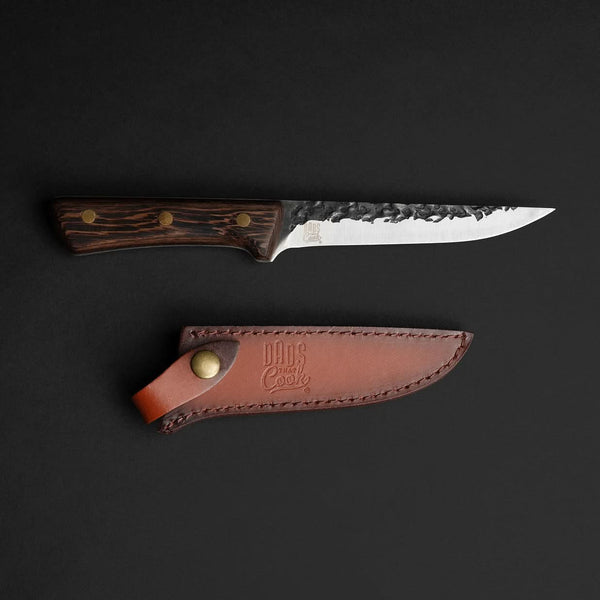
Fat caps, silverskin, chicken joints, and rib membranes call for a narrower blade. A 6-inch boning knife gives you the control to get close to the bone and remove what you do not want without sacrificing good meat.
Use it to trim a brisket before the smoke, separate a whole chicken, French a rack of lamb, or remove silverskin from tenderloin. The narrow profile makes tight turns easier than a chef knife can manage. That means cleaner cuts, less waste, and a better final texture.
Flex is a personal preference. A slightly flexible blade follows contours well when working around fish or poultry bones. A stiffer boning knife feels more confident when trimming thick beef and pork. For the dad who cooks a lot of barbecue and roasts, stiffer usually wins.
3. A cleaver built for heavy work
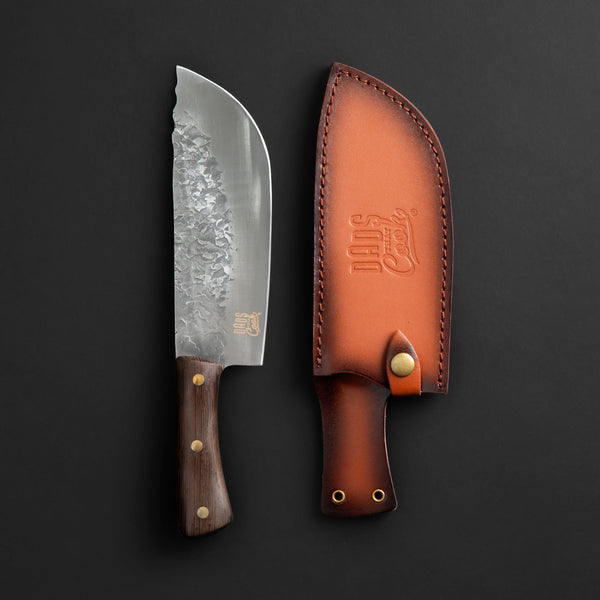
A solid 8-inch cleaver is the muscle of the meat station. It handles jobs that would abuse a finer blade: separating chicken joints, cutting through small bones, chopping ribs into portions, and breaking down large cuts with authority.
The wide blade also has a surprisingly useful second job. After chopping, use its broad side to scoop piles of meat or vegetables from board to bowl. That keeps your workflow moving and your fingers out of the danger zone.
There is a trade-off. A cleaver is not a delicate slicer, and its extra weight is unnecessary for a simple chicken breast. Pull it out when force and stability matter. For everyday trimming and steak prep, reach for the chef knife or boning knife first.
The Best Meat Prep Tools Keep the Work Steady
4. A large, stable cutting board
A knife is only as safe as the surface beneath it. Choose a cutting board large enough to hold the entire cut of meat with room to work. If you have to balance a pork shoulder on the edge of a tiny board, you are making the job harder than it needs to be.
Wood and thick composite boards are both strong choices. Wood is easier on knife edges and brings a classic, substantial feel to the counter. Composite boards are often easier to sanitize and maintain. Whichever route you take, use a damp towel underneath if the board has any chance of slipping.
For raw meat, keep the board clean and organized. Set a bowl nearby for trimmings and packaging. Once the meat is on the grill or in the oven, wash and sanitize the board before using it for cooked food. Clean cuts are good. Clean habits are better.
5. An instant-read digital thermometer
Color is not a cooking method. Neither is poking a steak and hoping your thumb test tells the truth. An instant-read digital thermometer is one of the fastest ways to improve meat at home because it replaces guesswork with a number.
For steaks, check the center from the side so the probe reaches the thickest part. For chicken, test the thickest section without touching bone. For a large roast, check more than one spot, especially if the cut has an uneven shape. Pull meat a few degrees before your target when appropriate, then let carryover cooking finish the job during the rest.
This tool protects both dinner and the people at the table. It helps you avoid undercooked poultry, but it also saves expensive steaks, tenderloins, and chops from being pushed past their best moment. That is precision you can taste.
6. A dependable knife sharpener
A premium knife deserves maintenance. Even a great stainless-steel blade will lose bite with regular use, and a dull knife is more dangerous than a sharp one because it requires extra force and can skid off the meat.
A quality sharpener makes it easier to keep your working edge ready. Use it before the blade becomes frustrating, not after it has been crushing tomatoes and tearing chicken skin for a month. A few consistent passes can bring back the clean, controlled cuts that make prep feel effortless.
Do not overdo it. Aggressive sharpening removes metal, so follow the sharpener's instructions and let the tool do its job. Between sharpenings, treat your knives right: hand wash, dry immediately, and store them where the edges are protected.
The Tools That Make Serving Cleaner
7. Strong kitchen shears
Kitchen shears are one of those tools you do not appreciate until you use them on a spatchcock chicken, a rack of ribs, or twine around a roast. They cut through poultry backbones, snip wing tips, trim fat, and open packaging without dragging a knife across the counter.
Choose shears that separate for thorough cleaning and feel sturdy at the pivot point. Keep them for kitchen use only. Garage scissors have no business near dinner.
8. A carving knife or slicing blade
After the rest comes the reveal. A long carving knife or slicing blade helps you cut brisket, tri-tip, turkey, ham, and prime rib into smooth, even portions. Its length lets you make one confident pass instead of sawing back and forth, which protects the crust and keeps more juices in the meat.
This is a specialist tool, not a mandatory first purchase. A sharp chef knife can handle plenty of slicing jobs. But if holidays, backyard barbecue, or Sunday roasts are part of your playbook, a dedicated slicer turns the final presentation into a proper moment.
Build Your Setup Around How You Cook
The right kit depends on what lands on your grill and stovetop. A steak-and-chicken household can dominate with a chef knife, boning knife, stable board, thermometer, and sharpener. The barbecue dad who trims briskets and slices ribs will get more value from a cleaver, shears, and carving knife. If you are buying a gift, a matched knife and thermometer bundle is hard to beat because it covers the skills that make the biggest difference right away.
Dads That Cook gear is made for that kind of hands-on confidence: capable steel, serious balance, and tools ready for the meal you are proud to serve. But brand name matters less than choosing equipment you will actually use, maintain, and trust.
Start with the blade and board. Add the thermometer before another novelty gadget. Then let the meals guide the rest of the lineup. When the tools feel right in your hand, prep stops being a chore and becomes part of the cook worth owning.