A whole brisket on the cutting board, a pork shoulder ready for the smoker, a stack of chicken thighs for Sunday dinner - this is where a dad chef earns his stripes. The best tools for home butchers do more than look tough in the kitchen. They give you clean cuts, safer control, less waste, and the confidence to take on bigger proteins without turning prep into a wrestling match.
You do not need a meat-processing room or a wall of specialty gear. You need a tight lineup of dependable tools that fit the way you cook: trimming ribs, breaking down chickens, slicing roasts, grinding burger, and serving the people around your table. Start with the tools that do real work, then build from there.
The Best Tools for Home Butchers Start With Sharp Steel
A sharp knife is not just faster. It is safer. A dull blade skips across fat, tears meat instead of slicing it, and forces you to push harder than you should. Good home butchery begins with a knife that stays under control from the first trim to the final slice.
A chef knife for the everyday heavy lifting
A 7.5- to 8-inch chef knife is the workhorse. Use it to portion boneless chicken, cut stew meat, slice flank steak, chop aromatics for a marinade, and handle the prep work surrounding every big cut of meat. Look for a full-tang knife with a comfortable, balanced handle and a blade that feels planted rather than flimsy.
A chef knife is not the best choice for every job. It will not glide around bones like a boning knife, and it should not be used to hack through hard joints. But for the majority of trimming, portioning, and slicing jobs, it earns its place every single meal.
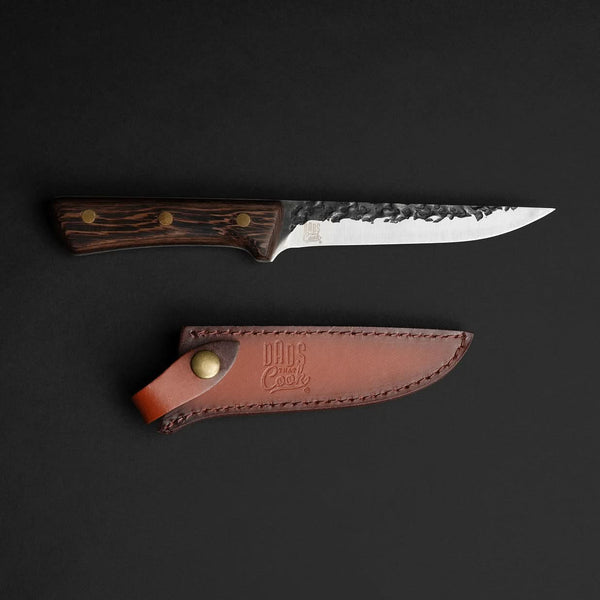
A boning knife for close, clean work
If you regularly cook whole chickens, racks of ribs, pork shoulders, or skin-on fish, a boning knife changes the game. Its narrow blade reaches into joints, follows the contour of bones, removes silverskin, and separates fat from meat with far less waste.
Choose a 6-inch boning knife for home use. It is long enough to work through a chicken or trim a roast, yet nimble enough to keep your cuts precise. A flexible blade is useful for fish and delicate work. A slightly stiffer blade gives more control around beef, pork, and poultry joints. Neither is automatically better. Match the blade to the proteins you cook most often.
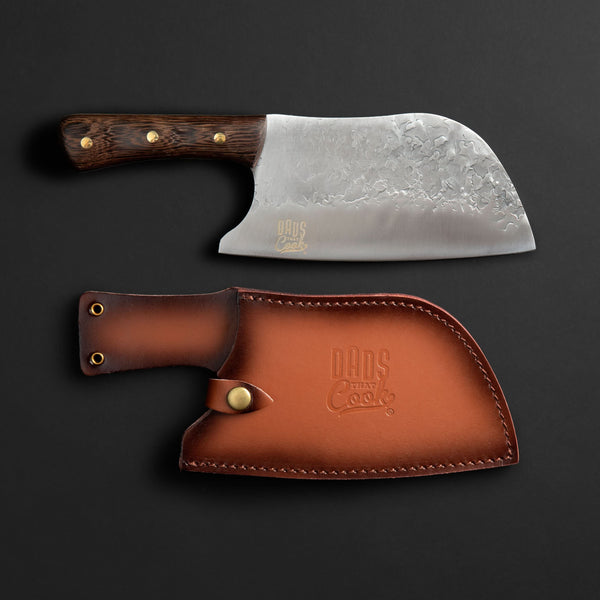
A cleaver for big, committed cuts
A cleaver belongs in the hands of a cook who is ready to break down serious protein. It is built for splitting through small bones, separating poultry sections, chopping through cartilage, and handling dense vegetables when the meat prep is done. The weight does the work, so you do not need wild swings.
That said, a cleaver is not a substitute for technique. Do not use it on thick beef marrow bones or frozen meat unless the tool is specifically designed for that job. Home butchery is about control, not chaos. Set the cut, keep your fingers clear, and use a firm, deliberate motion.
Keep the Edge: A Sharpener and Honing Routine
A great knife without maintenance eventually becomes a kitchen decoration. Every home butcher needs a reliable sharpener, plus the habit of using it before performance drops off a cliff.
Honing and sharpening are different jobs. Honing realigns the fine edge of a blade that has shifted slightly through use. Sharpening removes a small amount of metal to create a new edge. If your knife still cuts but feels a little off-center, hone it. If it crushes a tomato skin, drags through chicken skin, or slips on fat, sharpen it.
For most home cooks, a quality manual or guided sharpener is a practical choice. It is fast, repeatable, and less intimidating than learning stones from scratch. Use light pressure and follow the tool's instructions. Over-sharpening is just wasted steel. A few passes at the right time beat an aggressive rescue mission later.
Your Cutting Board Is Part of the Setup
A cutting board is not an accessory. It is your work surface, and a weak one can ruin an otherwise capable setup. Choose a board large enough to hold a roast or spatchcocked chicken without sending juices onto the counter. It should stay put while you cut and give your knife edge a forgiving surface.
Thick wood and quality composite boards are solid choices for meat prep. Wood looks great, feels good under a blade, and can last for years when washed promptly, dried upright, and occasionally conditioned. Composite boards are often easier to sanitize and dishwasher-friendly, depending on the model. Glass, marble, and ceramic boards may look sharp, but they are brutal on knife edges. Leave them out of the butcher station.
For raw meat, use a board with a juice groove or keep a rimmed sheet pan nearby to catch runoff. Clean the board, knife handle, counter, and sink area as soon as the job is done. Strong cooks respect the cleanup as much as the cut.
Temperature Control Finishes the Job
Breaking down a roast is only half the mission. Cooking it to the right temperature is what gets everyone asking for seconds. An instant-read digital thermometer is one of the smartest tools in a home butcher's kit because it replaces guessing with facts.
Check the thickest part of the meat, away from bone and large pockets of fat. For steaks, take several readings if the cut is thick. For chicken, test the breast and the thigh separately. For a large roast or smoked pork shoulder, probe in more than one spot before calling it done.
Temperature targets depend on the protein and the result you want. Steak can be served at a range of doneness levels, while poultry needs to reach a safe internal temperature. Tough cuts such as brisket and pork shoulder need more than safe temperature - they need time for connective tissue to soften. That is why a thermometer is a decision tool, not a magic button. Read the meat, then let it rest.
Small Tools That Make Prep Cleaner and Faster
Once your knife, board, sharpener, and thermometer are covered, a few supporting tools pull the station together. These are not status symbols. They solve the annoying parts of meat prep.
- Kitchen shears handle chicken spines, wing tips, packaging, twine, and herb work faster than a knife in many situations.
- Disposable food-safe gloves help with messy rubs, raw poultry, and cleanup. They do not replace handwashing, but they can keep the process moving.
- A digital scale makes portions, sausage blends, burger patties, and dry-brining more consistent.
- Sheet pans and wire racks keep raw meat contained, make dry brining easier, and create a clean landing zone after trimming.
- Butcher twine helps shape roasts for even cooking and keeps stuffed cuts from coming apart on the grill or in the oven.
Build Your Kit Around What You Actually Cook
The mistake is buying every specialized tool before you have learned the basics. A dad who grills ribeyes, smokes ribs, and cooks chicken for the family needs a different setup than someone buying primal cuts, making sausage, or processing venison each fall.
For most kitchens, start with a full-tang chef knife, boning knife, cleaver, sharpener, large board, and instant-read thermometer. That foundation handles nearly every protein with authority. A capable set such as the Dads That Cook knife lineup gives you distinct blades for distinct jobs instead of asking one knife to do everything.
Then earn the upgrades. Add a grinder if fresh burger and sausage are a real part of your routine. Add a vacuum sealer if you buy meat in bulk and freeze portions often. Add a meat saw only if you truly process bone-in cuts at volume. Specialty gear is great when it gets used. Otherwise, it is just another drawer full of good intentions.
Work Like a Home Butcher, Not a Short-Order Cook
Set up before the package comes open. Clear the counter. Put out your board, knife, tray, towel, and trash bowl. Keep a damp towel under the board so it cannot skate across the counter. Keep your non-cutting hand dry, curl your fingertips back, and take your time around joints and bones.
The goal is not to make every cut look like it came from a restaurant butcher case. The goal is to understand the protein in front of you, use the right blade, and serve better food because you put in the work. Sharpen the steel, fire up the grill, and make the next family meal one worth talking about.