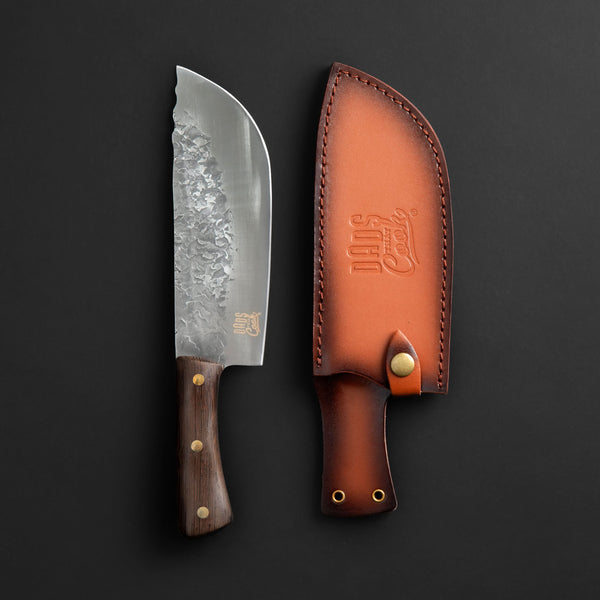
The difference between a good home meal and a plate that makes everybody go quiet for the first bite is rarely a secret ingredient. It is control. Restaurant quality home cooking comes from knowing what your pan is doing, where your knife is going, and exactly when that steak, chicken, or pork is ready to come off the heat.
That is good news for dads who want to feed their people well. You do not need a brigade of chefs, a commercial kitchen, or a three-hour prep window on a Tuesday. You need a few repeatable moves, solid gear that does not fight you, and the confidence to cook with purpose.
Restaurant-Quality Home Cooking Starts Before the Stove
Great cooking starts with prep, not panic. Restaurants call it mise en place. At home, it simply means getting your work done before the pan gets hot. Chop the onion. Mince the garlic. Measure the spices. Pat the protein dry. Put your sauce ingredients within arm's reach.
This one habit changes the whole game. When oil is smoking and the family is hungry, you should not be digging through a drawer for tongs or trying to dice a pepper one-handed. You should be cooking.
A sharp, balanced chef knife earns its spot here. Clean cuts make proteins cook more evenly and vegetables brown instead of steam. They also make prep faster, which matters when dinner has to happen between work, practices, homework, and everything else life throws at the table.
Give yourself a stable cutting board and enough room to work. Crowded counters create sloppy cuts. Sloppy cuts create uneven cooking. This is not about making your kitchen look like a TV set. It is about setting yourself up to win.
Build Flavor in Layers, Not All at Once
Restaurant food tastes bigger because chefs build flavor at every stage. They season early, use heat with intention, and finish dishes with contrast. Home cooks often wait until the end, shake on a little salt, and wonder why the meal tastes flat.
Start with the protein. Salt it before it hits the pan or grill, especially thicker cuts. For a steak, dry brining with salt 30 minutes to several hours ahead gives the seasoning time to work into the meat. For chicken, salt and spices before cooking help form a better crust and ensure flavor is not limited to the skin.
Then pay attention to what stays in the pan. Browned bits from chicken, pork chops, mushrooms, or onions are flavor waiting to be used. Add a splash of stock, wine, citrus juice, or even water, and scrape those bits loose. Now you have the start of a quick pan sauce instead of a skillet headed straight for the sink.
At the finish, bring in a bright note. A squeeze of lemon over grilled chicken, a spoonful of vinegar in braised greens, or fresh herbs over roasted vegetables can wake up an entire plate. Salt brings flavor forward. Acid brings it into focus. Fat carries it across the finish line.
Respect Heat and Give Food Some Space
A hard sear is not luck. It is dry food meeting a properly heated surface. If your chicken breast is wet, your steak is straight from a marinade, or your pan is overloaded, you are more likely to steam than sear.
Pat proteins dry with paper towels before seasoning. Let the pan preheat, then add an oil that can handle the job. When the oil shimmers, it is time to cook. For meat, place it down and leave it alone long enough to form a crust. Constant flipping and poking kills momentum.
The same rule holds for vegetables. A packed sheet pan makes soft, pale vegetables because the moisture has nowhere to go. Spread them out. Use high heat. Let edges brown. Roasted broccoli, carrots, potatoes, and Brussels sprouts do not need fancy treatment when they have color, seasoning, and enough space to work.
There is a trade-off: high heat can turn good intentions into burned spices and bitter garlic fast. Use high heat for searing and roasting. Lower it when aromatics enter the pan or when a sauce needs time to reduce. Strong cooking means adjusting, not blasting everything on maximum.
Do Not Move the Food Too Soon
Food will tell you when it is ready to release. A chicken thigh stuck to a skillet usually needs more time, not more force. Once browning has happened, it will lift more easily. That crust is earned flavor.
On the grill, the same patience creates proper grill marks and reduces torn skin. Close the lid when you need oven-like heat. Keep it open when you need to watch a fast sear. Dominate the grill by using its zones, not by treating every inch like the same fire.
Temperature Is the Difference Between Guessing and Knowing
The fastest path to better meat is simple: stop guessing. A digital instant-read thermometer removes the biggest source of kitchen frustration, especially with expensive steaks, thick pork chops, whole chicken, and smoked barbecue.
For food safety, poultry should reach 165 F in the thickest part. Ground meats should reach 160 F. For whole cuts of beef, pork, lamb, and veal, the best pull temperature depends on your preferred doneness and how much carryover cooking you expect.
A steak pulled at 125 F can rise several degrees while resting, particularly if it is thick. A thinner steak may have less carryover, so it needs a closer eye. A big roast has more stored heat and can climb more after leaving the oven. This is where experience helps, but the thermometer gives you the facts.
Insert the probe into the center of the thickest section, avoiding bone and large pockets of fat. Check more than one spot on uneven cuts. It takes seconds and saves dinner.
A Dads That Cook instant-read thermometer is the kind of tool that turns a guy from hopeful griller into the dad everyone trusts with the rib roast. You are not chasing a vague feel test. You are cooking to a target.
Let Meat Rest, Then Slice It Right
Pulling meat from heat is not the final step. Resting is. A steak, chop, chicken breast, or roast needs a few minutes for its juices to settle back through the meat. Slice too soon and those juices end up on the cutting board instead of on the plate.
Five to 10 minutes works for many smaller cuts. Larger roasts need more time, often 15 to 30 minutes depending on size. Tent loosely with foil if needed, but do not wrap it tight unless you want to soften that hard-earned crust.
Then slice against the grain. This is one of the easiest ways to make a tougher cut taste tender. Look for the direction of the muscle fibers and cut across them, not alongside them. A sharp carving or chef knife makes clean slices without shredding the meat or squeezing out moisture.
For barbecue, this matters even more. Brisket sliced with the grain can chew like a boot. Brisket sliced across the grain feels like the payoff it should be.
Use Sauces and Finishes Like a Pro
You do not need to make a different sauce for every meal, but you should keep a few finishing moves in your back pocket. A pan sauce can turn simple pork chops into a dinner worth repeating. A compound butter can make grilled steak feel like steakhouse territory. A quick herb dressing can rescue plain chicken and vegetables from boredom.
Keep it practical. After searing meat, remove it to rest and pour off excess grease, leaving the browned bits behind. Add a little minced shallot or garlic over medium heat. Deglaze with stock, wine, or a squeeze of lemon. Reduce until it coats a spoon, then whisk in cold butter off the heat. Taste before serving.
The goal is balance, not a puddle of sauce. Use enough to bring the plate together while keeping the crust, char, and texture you worked for front and center.
Cook One Dish Until You Own It
Restaurant quality does not mean making a brand-new complicated recipe every night. Pick a few crowd-pleasers and build reps: cast-iron chicken thighs, reverse-seared steak, grilled pork tenderloin, roasted salmon, smash burgers, or sheet-pan chicken and vegetables.
Make the dish again. Change one variable at a time. Try a hotter pan, a longer dry brine, a different finishing acid, or a pull temperature two degrees lower. That is how you learn what your family loves and what your equipment can do.
The best meal in the house is not always the fanciest one. It is the one cooked with sharp tools, steady hands, and enough pride to put everyone back at the table for one more bite.