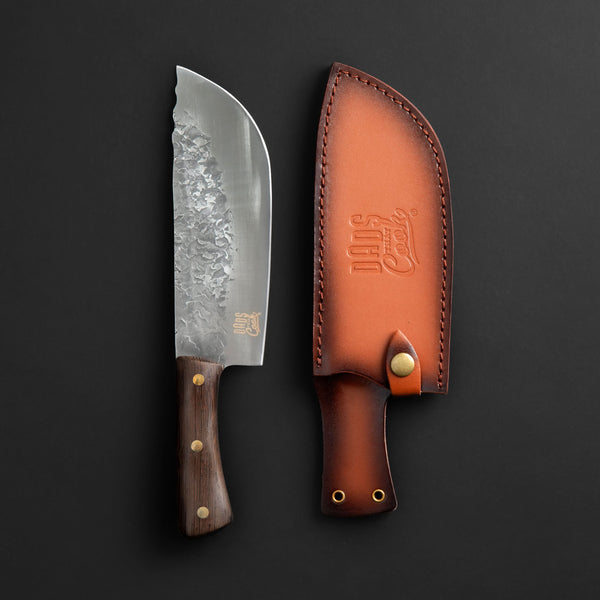
A great steak dinner is not about piling every rich side dish on the table. It is about control: a well-chosen cut, a hard sear, the right internal temperature, and sides that make the steak feel even bigger. This complete steak dinner guide gives you the game plan to put a restaurant-level plate in front of your family without turning dinner into a complicated production.
Start with sharp tools, a hot cooking surface, and a little confidence. Steak rewards attention, not fussing. Sear. Rest. Slice. Serve.
Build Your Complete Steak Dinner Around the Cut
The cut determines the rest of the meal. A thick ribeye brings big beef flavor and plenty of fat, so it pairs best with sides that have freshness or bite. Think roasted asparagus with lemon, a crisp salad, or blistered green beans. A New York strip is firm, beefy, and balanced, making it a strong choice when you want classic steakhouse potatoes on the plate.
Filet mignon is tender and mild. It benefits from a bold sauce, mushroom topping, or deeply seasoned side because the meat itself is more subtle. Sirloin costs less, cooks quickly, and works well for a weeknight steak dinner, especially when you slice it across the grain and serve it with a punchy chimichurri or compound butter.
For most home cooks, a 1 to 1 1/2-inch steak is the sweet spot. It gives you room to build a dark crust without blasting the center past medium. Thin steaks can still taste great, but they move fast. Save those for a simple meal with one side, not a dinner where you are trying to manage three things at once.
Buy steaks with even thickness and visible marbling. Marbling is the fat threaded through the meat, and it melts as the steak cooks. That is where much of the flavor lives. You do not need the most expensive cut in the case. You need a good steak cooked with purpose.
Prep Like a Dad Who Means Business
Take the steak out of the refrigerator 30 to 45 minutes before cooking. This does not magically bring it to room temperature, but it does take the hard refrigerator chill off the surface and helps it cook more evenly. Pat it dry with paper towels. Moisture is the enemy of a powerful crust.
Season generously with kosher salt and coarse black pepper just before cooking. If you have more time, salt the steaks a few hours ahead and leave them uncovered in the refrigerator. That dry-brine method seasons the meat deeper and dries the exterior for better browning.
While the steak sits, get the rest of dinner organized. Potatoes should be in the oven or simmering before the steak hits the pan. Vegetables should be trimmed, seasoned, and ready to cook. Make any cold sauce now. When the steak is working, you want to focus on the steak.
A sharp chef knife earns its keep here. Use it to trim tough silver skin from a tenderloin, mince garlic and herbs for butter, or slice cooked steak cleanly without tearing the crust you worked for. Dads That Cook gear is built for that kind of hands-on prep: strong, balanced tools for the cook who would rather do the job right once.
Choose Sides That Pull Their Weight
A complete steak dinner needs contrast. Steak is rich, salty, browned, and satisfying. Your sides should bring crispness, acidity, sweetness, or creaminess without fighting for attention.
Potatoes are the classic move, but choose the format based on your cooking method. If the steak is going into a cast-iron skillet, roast crispy smashed potatoes in the oven. They can cook while you prep and will hold their heat well. If you are grilling outside, foil-wrapped baked potatoes or grilled potato wedges keep the action in one place. For a special occasion, mashed potatoes with butter and roasted garlic bring the steakhouse energy.
For vegetables, pick one and cook it hard. High heat gives broccoli, asparagus, Brussels sprouts, and green beans the charred edges that belong next to steak. Finish green vegetables with lemon juice, vinegar, or a shower of grated Parmesan. That acid cuts through the fat and keeps each bite from feeling heavy.
A simple salad also does more work than people give it credit for. Peppery arugula, shaved Parmesan, and a sharp vinaigrette can make a ribeye dinner feel balanced. If your crew expects a bigger spread, add warm bread with herb butter. Just do not build five heavy sides around a buttery steak. The plate gets crowded, and nobody remembers what tasted best.
Cook the Steak With Heat and Accuracy
Whether you use cast iron, a grill, or both, the mission is the same: develop a crust, then stop cooking at the right temperature. A screaming-hot cast-iron skillet is hard to beat for a crust. A two-zone grill brings smoke and fire while giving you a cooler zone to finish thicker cuts.
For pan-searing, heat a heavy skillet over medium-high to high heat until it is very hot. Add a thin layer of high-smoke-point oil, then lay in the dry, seasoned steak. Put it down away from you and leave it alone for two to three minutes. Do not poke it. Do not slide it around. Let the surface brown.
Flip when the first side has developed a deep brown crust. For a 1-inch strip or ribeye, another two to three minutes may get you close to medium-rare. During the last minute, add butter, smashed garlic, and a few sprigs of thyme or rosemary. Tilt the pan and baste the steak with the foaming butter. It is a small move with big payoff.
On a grill, start over direct high heat for the sear, then move thicker steaks to indirect heat to finish. Keep the lid closed while they finish. Flare-ups are not flavor. If fat drips and flames leap, move the steak rather than letting the outside burn.
Time is useful. Temperature is truth. An instant-read thermometer takes the guessing game off your plate. Pull the steak before it reaches your final target because it will rise a few degrees while resting. For medium-rare, pull at 125 to 130 F and let it finish around 130 to 135 F. For medium, pull around 135 to 140 F and expect a final temperature near 140 to 145 F.
If someone at the table wants their steak more done, give them what they want. But protect the quality of the whole meal by cooking steaks separately when possible. A thick medium-rare ribeye and a thin well-done sirloin do not belong on the same timing plan.
Rest, Slice, and Make the Plate Count
Rest the steak for five to 10 minutes on a board or warm plate. This is not dead time. The juices settle back into the meat instead of running across the cutting board the moment you slice. Tent it loosely with foil only if your kitchen is cold. Wrapping it tightly traps steam and softens that hard-earned crust.
Slice against the grain when serving flank steak, skirt steak, sirloin, or any cut with visible muscle fibers. For ribeye and strip, you can serve whole or slice into thick pieces for sharing. Use a sharp knife and one confident pass through the meat. Sawing with a dull blade leaves ragged edges and leaks juice.
Build the plate with intention. Place the steak first, then tuck the potatoes beside it and give the vegetables their own space. Spoon herb butter, pan juices, chimichurri, or a mushroom sauce over part of the steak instead of drowning the entire thing. Let that crust show.
A Steak Dinner Worth Gathering Around
The best steak dinner has a little theater to it: the sizzle from the pan, the smell of butter and garlic, the first clean slice that reveals a rosy center. But the real win is simpler. You cooked a meal people want to linger over.
Put the phone down, pass the steak, and let everybody grab one more potato. That is how a solid dinner becomes a house favorite.