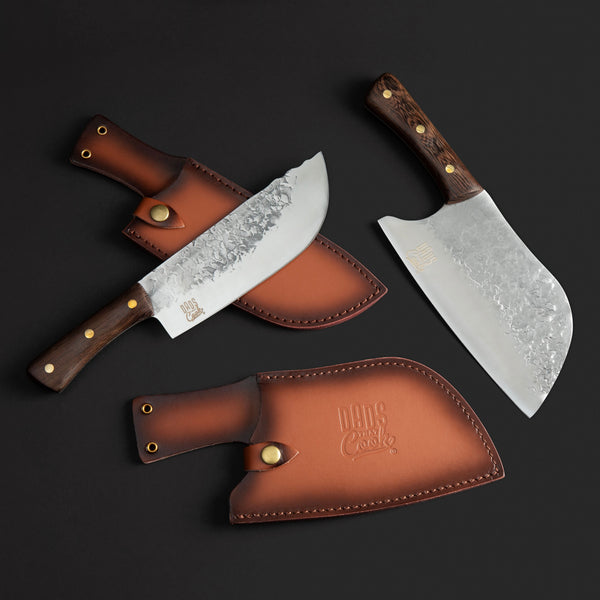
That chef knife did not earn its place in your hand by sitting loose in a drawer, banging into a can opener and a stack of measuring spoons. A good knife storage guide starts with one rule: protect the edge, protect the people using the kitchen, and keep the right blade within reach when dinner is moving fast.
Sharp, full-tang knives are built for real work - breaking down chicken, slicing brisket, chopping onions, and carving a steak worth talking about. Store them carelessly and you can dull an edge, chip a tip, trap moisture, or create a nasty surprise for whoever reaches into the drawer next. The right setup keeps your blades ready to Sear. Slice. Repeat.
Why Knife Storage Matters More Than Most Dads Think
A knife gets dull from use, but it also gets dull from abuse between meals. When blades knock against hard steel utensils, ceramic dishes, or other knives, the fine edge rolls over or chips. That means more time sharpening and less control when you are trying to make clean cuts.
Safety matters just as much. A sharp knife stored securely is safer than a dull knife tossed into a drawer. You know exactly where it is, can grab it by the handle, and do not have to fish around blind. That is a better system for busy weeknights, kids helping with kitchen cleanup, and backyard cookouts where the prep table gets crowded.
Storage also helps you build cooking momentum. When your chef knife, cleaver, and boning knife each have a home, you spend less time hunting for gear and more time handling the job in front of you.
Knife Storage Guide: Pick the Setup That Fits Your Kitchen
There is no single best way to store kitchen knives. The right choice depends on your counter space, drawer space, household routine, and how often you reach for your blades. Pick a method that protects the edge without making your kitchen harder to work in.
Magnetic knife strips for fast access
A magnetic strip puts your knives on display and keeps them easy to grab. It is a strong choice for a dad who cooks often and wants his core tools close to the cutting board. A well-mounted strip also frees valuable counter and drawer space.
Mount it away from the stove, sink, and heavy steam. Constant moisture and grease do no favors for knife handles or blades. Give yourself enough wall space so knives do not overlap, and place the blade against the magnet gently. Slapping a knife onto the strip can damage the edge over time.
Magnetic storage works best when everyone in the house understands that those knives are not toys. If you have very young kids who can reach the strip, choose a higher location or use another option.
In-drawer blocks for a clean, low-profile setup
An in-drawer knife block is one of the smartest choices for a family kitchen. It keeps blades covered, organized, and out of sight while preserving clear counter space for mixing, serving, and feeding the crew.
Look for slots that fit the knives you actually use, not a random collection of tiny slots designed for blades you do not own. Your 7.5-inch chef knife, 8-inch cleaver, boning knife, and steak knives should fit without forcing the blade or bending the tip. Store knives with the spine resting on the slot when the design allows it. This avoids pressing the sharp edge into wood every time you pull a knife out.
The trade-off is access. A drawer block is not quite as fast as a magnetic strip when you are running a full prep session. For most home kitchens, though, the added safety and clean look make it a winning move.
Countertop blocks for kitchens with room to work
A traditional countertop block is simple, familiar, and easy to use. If you have enough counter space and a stable prep zone, it keeps your daily blades close without requiring installation.
The key is placement. Do not park the block beside the sink, where splashing water can work its way into the slots. Keep it away from the hottest part of the range, too. A stable, dry spot near your cutting board is the sweet spot.
Wood blocks look sharp, but the slots can collect crumbs and moisture if you put away knives before they are completely dry. Turn the block upside down occasionally, shake out debris, and clean it according to its material. A knife block should support your gear, not become a hiding place for kitchen grime.
Blade guards for drawers, travel, and flexible storage
Blade guards are simple covers that slide over the blade. They are a solid option if you need to store knives in a drawer, carry them to a friend’s barbecue, or pack a cooking kit for a cabin weekend.
Use guards made for kitchen knives, with a snug fit and a clean interior. Never put a wet or dirty knife into one. A blade guard can trap moisture against steel, which invites staining and corrosion. Dry the knife first, let it air out fully, then cover it.
Guards are especially useful for specialty tools that do not come out every day. Your boning knife may only see action when you are trimming ribs, separating chicken joints, or breaking down a roast. Protect it between missions so it is ready when protein prep calls.
What Never Works: The Loose Knife Drawer
A loose drawer full of knives is the worst of both worlds. It beats up sharp edges and forces your hand into a pile of hidden blades. Even if you are careful, someone else may not be. One rushed cleanup after taco night is all it takes.
If a drawer is your only realistic option, make it safer now. Add an in-drawer organizer or individual blade guards. Keep knives separate from utensils, peelers, and heavy tools. The fix does not need to be fancy. It needs to be deliberate.
Store Knives Clean, Dry, and Ready for the Next Cook
Great storage starts before the knife reaches its slot, strip, or block. Wash your knife by hand with warm water, mild dish soap, and a soft sponge. Dry it immediately with a towel, including the handle and the area where blade meets handle.
Do not leave knives soaking in the sink. That risks cuts, encourages corrosion, and can damage certain handle materials. The dishwasher is also a hard no for serious kitchen knives. High heat, harsh detergent, and rattling against other items are rough on sharp edges and handles.
A quick wipe-down after acidic food prep is a good habit, especially after working with tomatoes, citrus, or marinades. Stainless steel is tough, not invincible. Give your tools basic respect and they will keep showing up for dinner after dinner.
Match Storage to How You Cook
Your storage should reflect your actual routine. The dad who cooks breakfast, packs lunches, and makes dinner most nights benefits from a magnetic strip or countertop block near the prep zone. The weekend grill captain might prefer an in-drawer block in the kitchen plus blade guards for taking a knife roll or gear tote outside.
Think through the workflow. Keep the chef knife where you chop vegetables. Keep the cleaver where you handle bigger cuts and barbecue prep. Keep steak knives protected until it is time to set the table. A well-balanced knife like a Dads That Cook full-tang blade deserves a setup that does not turn its edge into collateral damage.
You do not need every knife within arm’s reach. In fact, too much gear on the counter creates clutter and slows you down. Store your daily drivers close, protect the specialty blades, and give every tool a clear home.
Sharpening and Storage Go Together
Good storage keeps a sharp knife sharp longer, but it cannot replace maintenance. Hone your blade regularly to realign its edge, then sharpen it when honing no longer restores clean performance. If your knife slides off a tomato skin, crushes herbs instead of slicing them, or struggles through an onion, it is telling you something.
After sharpening, clean away any residue, dry the knife thoroughly, and return it to its protected spot. Do not test the new edge by dragging it across a countertop or tossing it into the drawer. A fresh edge is a precision tool. Treat it like one.
The best knife storage system is the one your household will use every single day. Set it up once, make cleanup part of the routine, and your blades will be ready whenever it is your turn to feed the people around the table.