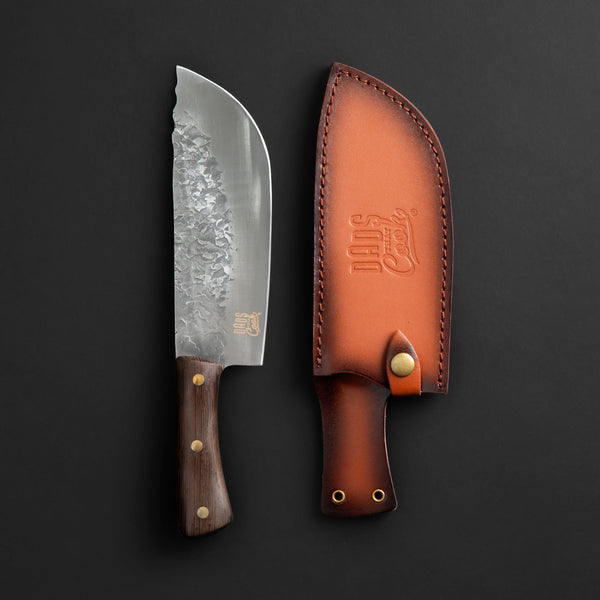
A great knife earns its place fast. It breaks down a rack of ribs without tearing the meat, turns onions into even slices, and makes prep feel less like a chore and more like your part of the show. But even a full-tang stainless blade needs attention. Proper stainless steel knife care keeps your edge clean, sharp, balanced, and ready when the family is hungry.
Stainless steel is tough, not invincible. The name means it resists corrosion better than many steels. It does not mean you can leave it buried under barbecue sauce in the sink, run it through a dishwasher, or toss it loose in a drawer and expect peak performance. Give your knives a few solid habits, and they will show up for years of dinners, cookouts, and big weekend cooks.
Stainless Steel Knife Care Starts After Every Use
The best routine is simple: wash the knife by hand soon after you use it, dry it completely, and put it away safely. That takes less time than finding a clean replacement tool after your good knife has been left in a sink full of plates.
Use warm water, a soft sponge, and a small amount of dish soap. Wipe from the spine of the blade toward the edge, with the cutting edge facing away from your hand. This gives you control and helps prevent the kind of quick cleanup injury nobody wants before dinner.
Rinse away soap, then dry the blade, bolster, handle, and the area where blade meets handle with a clean towel. Do not air-dry it on the counter. Water that lingers around seams or under food residue can leave water spots and, over time, encourage corrosion.
Tomatoes, citrus, vinegar, mustard, and salty marinades deserve a little extra respect. Stainless steel handles them well during normal prep, but do not leave acidic or salty food sitting on the blade while you step outside to check the grill. Wash and dry the knife when the job is done.
Keep It Out of the Dishwasher
A dishwasher is hard on kitchen knives for several reasons. High heat, aggressive detergent, long exposure to moisture, and hard contact with other utensils can dull an edge and beat up a handle. The blade can also knock against racks, pans, or flatware during the cycle.
Hand-washing is not fussy knife-owner behavior. It is basic maintenance for a tool built to make clean, confident cuts. Treat your chef knife, cleaver, boning knife, and steak knives like the hardworking gear they are.
Use the Right Cutting Surface
A sharp knife meets the cutting board thousands of times over its life. That surface has a major say in how long the edge stays sharp.
Wood and quality plastic boards are the right call for everyday prep. They have enough give to protect the edge while still giving you a stable work surface. End-grain wood is especially kind to blades, though any well-made wood board can perform beautifully when kept clean and dry.
Avoid cutting on glass, ceramic plates, stone counters, metal trays, or a pan lid. These surfaces may seem convenient when you are moving fast, but they can roll or chip a fine edge in a hurry. A sharp blade deserves a proper landing zone.
Also match the knife to the job. Use a chef knife for vegetables, herbs, and general prep. Use a cleaver for larger, tougher cuts when its heavier build makes sense. Reach for a boning knife when you need to work close to bones and joints. Forcing one blade through every task is a fast way to damage an edge or lose control.
Hone Often, Sharpen When the Blade Tells You To
Honing and sharpening are not the same thing. Knowing the difference is one of the biggest upgrades a home cook can make.
A honing steel or sharpening system used for honing realigns an edge that has gradually bent out of position through normal cutting. It does not remove much metal. If your knife still cuts but feels like it drags through a tomato skin or slips on an onion, a few controlled honing passes may bring it back into line.
Sharpening removes a small amount of metal to create a new edge. You need it when honing no longer restores clean cuts, when the blade crushes soft food, or when you find yourself pushing harder than you should. A dull knife is not just frustrating. It is less predictable, because extra force makes slips more likely.
How often you sharpen depends on how much you cook, what you cut, your board material, and your technique. A dad cooking most nights may hone regularly and sharpen every few months. Someone who pulls out the knives mainly for Saturday burgers and holiday roasts may need to sharpen less often. Let performance, not the calendar, make the call.
Sharpen With a Steady Hand
Whatever method you use, consistency matters more than speed. Keep the blade angle steady, work both sides evenly, and do not grind away more steel than necessary. A pull-through sharpener can be convenient for routine touch-ups, while whetstones offer greater control for cooks willing to practice. Professional sharpening is a smart move for badly dulled, chipped, or uneven blades.
After sharpening, carefully wipe away any fine metal particles, wash the knife, dry it, and test it on something simple like paper or a ripe tomato. The goal is a clean cut with little pressure, not a dramatic show of force.
Store Knives So the Edge Stays Protected
Loose knives in a drawer are a bad deal. They bang into other tools, dull faster, and create a hand-slicing hazard every time someone reaches for a peeler.
A knife block, magnetic strip, in-drawer knife organizer, or individual blade guard all work. The best choice depends on your kitchen layout and who uses the space. A magnetic strip keeps blades visible and easy to grab, but it should be mounted securely and placed where kids cannot reach it. A drawer organizer is clean and practical, provided each knife has its own protected slot.
When placing a knife on a magnetic strip, touch the spine to the magnet first and roll the blade into place. Removing it works the same way in reverse. Snapping the sharp edge directly against the magnet can damage the very edge you worked to maintain.
If you transport knives for a cookout, camping trip, or a friend’s backyard smoke session, use blade guards or a knife roll. Do not wrap them in a kitchen towel and hope for the best. Good tools travel protected.
Deal With Spots, Stains, and Rust Early
Stainless steel can develop discoloration, especially after contact with hard water, salt, acidic foods, or heat. Most light water spots come off with a damp cloth followed by a thorough dry. For stubborn discoloration, use a gentle non-abrasive cleaner made for stainless steel, following its directions carefully.
Avoid steel wool, harsh scouring pads, bleach, and abrasive powders. They can scratch the blade, damage its finish, and create places for moisture to hang around. If you see small rust spots, do not panic. Clean them early with a non-abrasive method, rinse, dry completely, and take a hard look at the storage or cleaning habit that caused them.
Never leave a knife soaking, especially overnight. A sink is not a knife holder. It hides sharp blades under cloudy water and lets moisture work where you do not want it.
Cook Like You Plan To Keep the Knife
Good knife care shows up in the way you use the blade. Do not pry open packages, twist the edge through frozen food, cut bones with a knife that was not designed for it, or scrape ingredients sideways with the cutting edge. Turn the knife over and use the spine to move chopped food from board to pan.
Keep your workspace steady, your board from sliding, and your fingers tucked back. These habits help you cut faster because they help you cut with control. That is the point of capable gear: less fighting, more cooking.
At Dads That Cook, we believe a knife should be ready to help you feed your people, whether that means Tuesday-night tacos or brisket for the whole block. Wash it. Dry it. Hone it. Store it with respect. Then put it back to work and make the next meal worth gathering around.