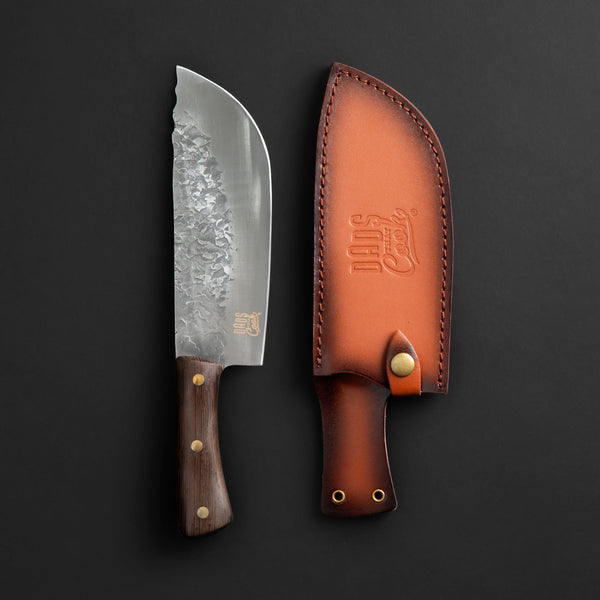
A great knife earns its place fast. It breaks down a chicken, slices brisket clean, dices onions without turning them to mush, and helps put a real meal on the table. So when orange spots show up, the question is simple: why knives rust when they are supposed to be tough enough for the job?
The short answer is moisture meets metal, then gets a little help from oxygen, salt, food acids, or bad storage. The better answer matters because not all rust is the same, not all steel behaves the same way, and a few small habits can keep your blade ready for years of weeknight dinners and backyard cooks.
Why Knives Rust: The Metal-and-Moisture Problem
Rust is iron oxide. It forms when iron in the blade reacts with oxygen and water. Leave a wet knife in the sink, slide it into a damp block, or put it away with a little moisture tucked near the handle, and you have created the conditions for corrosion.
Salt speeds the process up. So do acidic ingredients such as tomatoes, citrus, vinegar, mustard, and pickled foods. That does not mean you need to baby your knife every time it touches a lemon. It means you should not leave the blade sitting under lemon slices while you answer emails, crack a beer, and fire up the grill.
Heat and humidity also matter. A knife stored in a steamy kitchen, a damp garage, or near an outdoor grill can corrode faster than the same knife kept clean and dry in a drawer. Rust is not always a sign of a bad blade. Often, it is simply a blade that got left in a rough environment too long.
Stainless Steel Is Rust-Resistant, Not Rust-Proof
Here is the part that catches many cooks off guard: stainless steel can rust.
Stainless blades contain chromium, which creates a thin protective layer on the surface when exposed to oxygen. That layer helps the steel resist staining and corrosion. But it is not force field armor. Harsh dishwasher detergent, prolonged moisture, salty residue, scratches, and neglected food buildup can weaken that protection and let corrosion get started.
Higher-quality stainless steel can offer excellent corrosion resistance while still taking and holding a sharp edge. There is always a trade-off, though. Steel designed to get extremely hard and hold an aggressive edge may need more care than a softer, more corrosion-resistant blade. The move is not to fear the steel. The move is to respect it.
Carbon steel knives are even more reactive. They can develop a dark gray or blue-black patina with use, especially after cutting proteins or acidic foods. Patina is a stable discoloration that can help protect the steel. Rust is different. It is usually orange, reddish-brown, flaky, or rough to the touch. Patina has character. Rust has to go.
The Usual Ways Good Knives Get Rusty
Most knife rust starts with an ordinary kitchen shortcut. The biggest offender is the sink. A knife left in standing water can start developing spots surprisingly fast, especially around the bolster, handle rivets, or any spot where water hangs around.
The dishwasher is another troublemaker. High heat, long wash cycles, aggressive detergent, and knives knocking into other utensils create a bad combination. A dishwasher may get the blade clean, but it can dull the edge, damage the handle, and leave moisture where you do not want it. Hand-washing takes less time than fixing a neglected knife.
Storage deserves more attention than it gets. Tossing a knife loose into a drawer is unsafe and hard on the edge. Storing it in a wooden knife block after a rushed towel-dry can trap moisture. Magnetic strips are solid options when they are clean, dry, and mounted away from constant steam. Blade guards and drawer organizers work well too, provided the knife is fully dry before it goes in.
Food residue is the quiet culprit. You may rinse off the steak juices and call it good, but salt and protein residue can still cling near the handle or along the blade face. Give the knife a proper wash with warm water, mild dish soap, and a soft sponge. Then dry it right away.
How to Remove Light Rust From a Knife
A few small rust spots do not mean the knife is finished. Catch them early and you can usually clean them up without drama.
Start by washing and drying the knife so you can see the affected area clearly. For light surface rust, make a paste of baking soda and a little water. Rub it gently over the spots with a soft cloth, sponge, or a non-scratch scrub pad. Work with care. You are trying to lift the rust, not grind up the blade finish.
Rinse the blade, dry it completely, and inspect it under good light. If the spots remain, repeat the process once or use a gentle metal polish made for kitchen cutlery, following its instructions carefully. Avoid steel wool, harsh abrasives, and power tools. They can scratch the blade, remove more material than necessary, and make future corrosion easier to start.
If the rust has created deep pits, reached the edge, or appeared around a loose handle, it is time to take the issue seriously. Deep pitting can weaken the blade and trap food residue. A professional sharpening service may be able to restore the edge and clean up the steel. If the knife is badly compromised, replacement is the safer call.
After Rust Removal, Restore the Edge if Needed
Rust removal can leave a blade feeling a little rough, especially if corrosion reached close to the cutting edge. Test the knife on paper or a ripe tomato. If it tears instead of slicing cleanly, sharpen it before the next prep session.
A sharp knife is safer and more enjoyable to use. It takes less force, tracks where you guide it, and gives you cleaner cuts through vegetables, roasts, and proteins. Do not try to muscle through dullness. Get the edge back in shape.
The 60-Second Knife Care Routine
The best prevention plan is not complicated. It is a routine you will actually follow after cooking for the family, not a ceremony that turns dinner cleanup into a second shift.
After using your knife, wash it by hand with mild soap and warm water. Do not soak it. Do not leave it buried under plates. Dry both sides with a clean towel immediately, paying attention to the area where blade meets handle. Then store it somewhere clean and dry, with the edge protected.
For knives that see a lot of outdoor action, add one more step. After a humid barbecue day, wipe the blade down before putting it away. If you own carbon steel, or live somewhere especially humid, a tiny amount of food-safe mineral oil on a clean, dry blade can add protection during storage. Use only a very light coat. You should not feel an oily film when you pick up the knife.
Keep your cutting board clean as well. A board that stays wet underneath can transfer moisture back onto the blade the next time you set it down. Wood boards need time to air-dry on edge, not flat against a counter where the underside stays damp.
Treat Your Knife Like the Workhorse It Is
A full-tang kitchen knife is built for real work: trimming ribs, carving a roast, breaking down a bird, and feeding the people who count on you. It does not need kid-glove treatment. It needs basic discipline.
Wash it. Dry it. Store it smart. Sharpen it when the cuts stop feeling clean. That is how a hardworking blade stays ready to sear, slice, and repeat - without rust stealing the show.